Table of Content
To use this t-shirt printing method, you need to have some basic skills and equipment at home. Here are three primary printing techniques you can use as part of your “how to make printed shirts at home” journey. All the efforts and time you put in understanding the complete guide of “how to make custom shirts” have yielded outcomes in a beautiful way. Once you get to the backside of the neckline, stop sewing.
Most custom shirt manufacturers allow you to upload your own image, so you can put anything you want onto your shirt. Some manufacturers also have a design tool that you can use to create an image or logo to put on your shirt. Sew along the pinned edges to secure the sides of the shirt.
Printing T-Shirts Using Iron-On Transfer Paper
Line it to one of the shoulders and pin it with the right sides facing inside in a way that will lay on the shoulder’s edge. With this, you will give half of your sleeve piece. Here’s a list of basic supplies you will need to begin your journey of how to make t-shirts at home. In this guide on how to make your own t-shirt, we will cover everything you need to know.

Other benefits are quicker production times for low volume runs, simple techniques even with complex designs with certain methods, and the reject rate is low. You will usually finish your prints with one or two base layers which aid in the opacity of the designs. For darker t-shirts, you will usually need two base layers of white or light-colored ink and one for light-colored shirts.
Pin It on Pinterest
Specific directions for the light needed should be on the packaging of the purchased emulsion. The emulsion will leak through the screen, so be sure to squeegee both sides of the screen. The color of the emulsion should change from blue to green. There should also be small bubbles forming in the emulsion. Use free fonts from an online site like defont.com. You can also access free brush designs from brusheezy.com.
Make sure to get crystals that have flat backs to them so that you can easily attach them to the shirt. Keep in mind that many shirt ordering websites provide discounts based on quantity. You might have to pay $12 per shirt if you only order 25 shirts, or you could order 100 shirts and pay only $9 per shirt. Put a special message on a shirt for an event or special occasion. Add your company’s logo to the back of a long-sleeved shirt. You may need to sew the front of the neckline separate from the back.
White toner transfer printing
It is a bit complicated to add pins on the curved edges together. Use it to complete the entire pattern and start drawing an opposite image of the sleeve shape. Once you have finished drawing the sleeve pattern, then cut it out. The type of fabric you choose for making a t-shirt depends on your personal choice, but mid-weight jersey cotton fabric is preferable.

Mark Stephenson is the director of marketing at ColDes, a provider of customization equipment including UV printers, T-shirt printers, and embroidery machines. Mark is also a co-host of the Custom Apparel Startups Podcast. If you’re a home embroiderer now, you’re already on your way to understanding how to use the larger industrial machines. For example, the Avance 1501C embroidery machine has an updated touchscreen control panel like many of the pricier home machines do.
When designing a t-shirt, its important to think about color contrast. This means how certain ink colors in the design will appear against a lighter colored shirt or a darker colored shirt. Certain ink colors look more vibrant on a lighter or darker shirt on the computer screen than they actually do when printed. Do NOT mirror your design if you have a dark-colored shirt. Now pop that transfer paper in, and print your design. When shopping for a shirt, it’s important to pay attention to the quality and type of fabric.

T-shirt heat press with heat press machines designed especially for beginners. But for now, let’ take a look at how to screen print. Next, trim away any extra space around the design with a pair of scissors, leaving about a 1/4 to 1/2 inch margin. After that, line up your freshly printed design on your shirt to see where you would like it to go.
Take the pieces of your pattern and arrange them on your fabric according to your cutting instructions. Some pattern pieces will say "cut one on the fold," or "cut two on the fold." Line these pieces up along the fold of your fabric. Pinning the sleeves is a little different than pinning the front and back of the shirt. Flatten the sleeve on the paper and pin the seams.
A 500-watt lightbulb will burn the transparency image into the emulsion in roughly fifteen minutes.The exact times for this process depend on the light and emulsion you use. Mix the degreaser and the cold water together. Place the brush in the mixture and then brush the mixture on to the screen.Make sure you brush both sides of the screen. You just want to give the screen a light brush so don’t worry about putting too much of the mixture on the screen. Look for a font that complements your overall design, rather than overwhelm it.
Or, if the arms are too short, then add extra length. You might like this method because it’s mess-free, fast, and the garments withstand frequent washes. With sublimation, you have an unlimited number of objects to print on. Regardless of the method you chose to create your t-shirts, we have the machines and supplies to help you get on your feet.
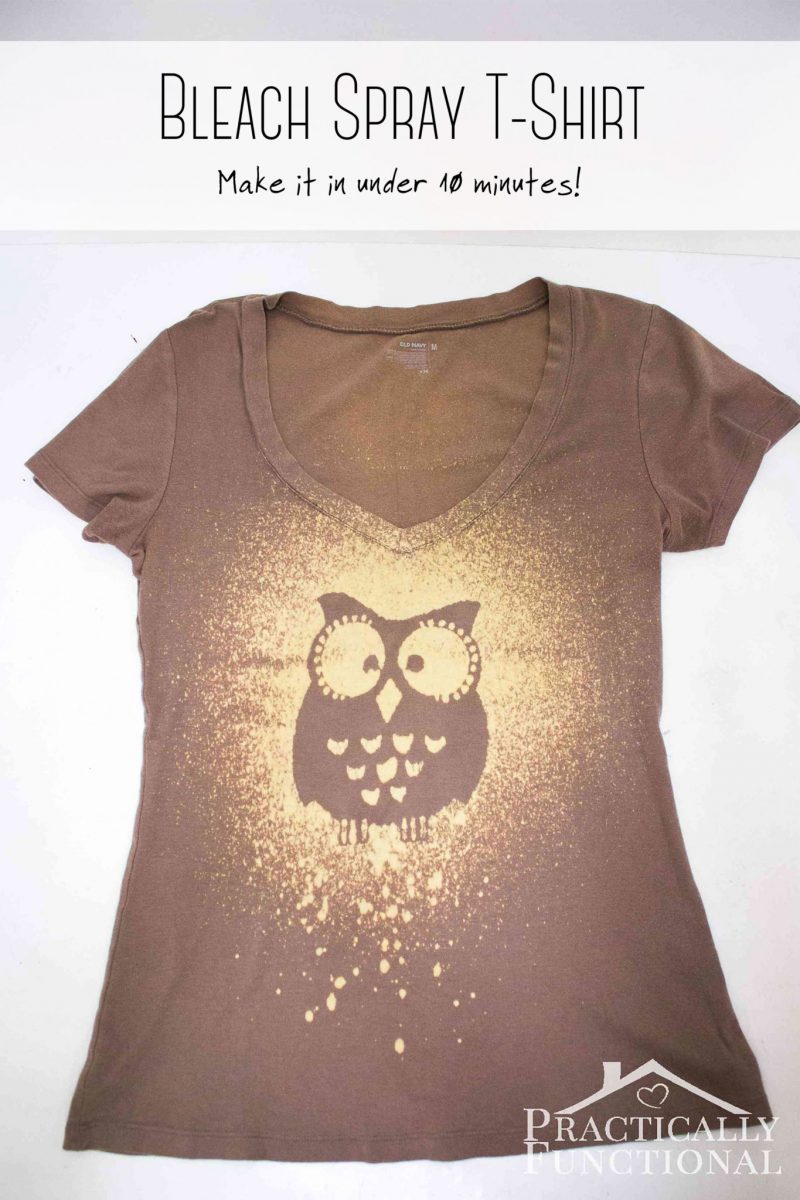
You will have to measure your neck, chest, waist, hip, and shoulders. You should also know the length of the shirt and sleeves. Your fabric will have a "right side" and a "wrong side." The right side is the front of the fabric.
Trending Articles
If you decide to use Adobe Illustrator to create your design, the Global Colours settings can help immensely with color schemes. You should know your neck, chest, waist, hip, and shoulder measurements. You should also measure the length of the shirt and sleeves. Select the delicate cycle when you wash the shirt and hang it up to dry it.
It will also stop the bleach from bleeding through the back of your shirt. Cure the ink before using the next screen to add additional layers of the graphic in different colors. Place the transparency down backward on the screen. Now you’re ready to burn your image into the emulsion. Do this by placing the screen flat, placing the transparency down backward, and placing a piece of glass over the transparency to ensure that it doesn’t move. Think about what your design is going to represent.


No comments:
Post a Comment